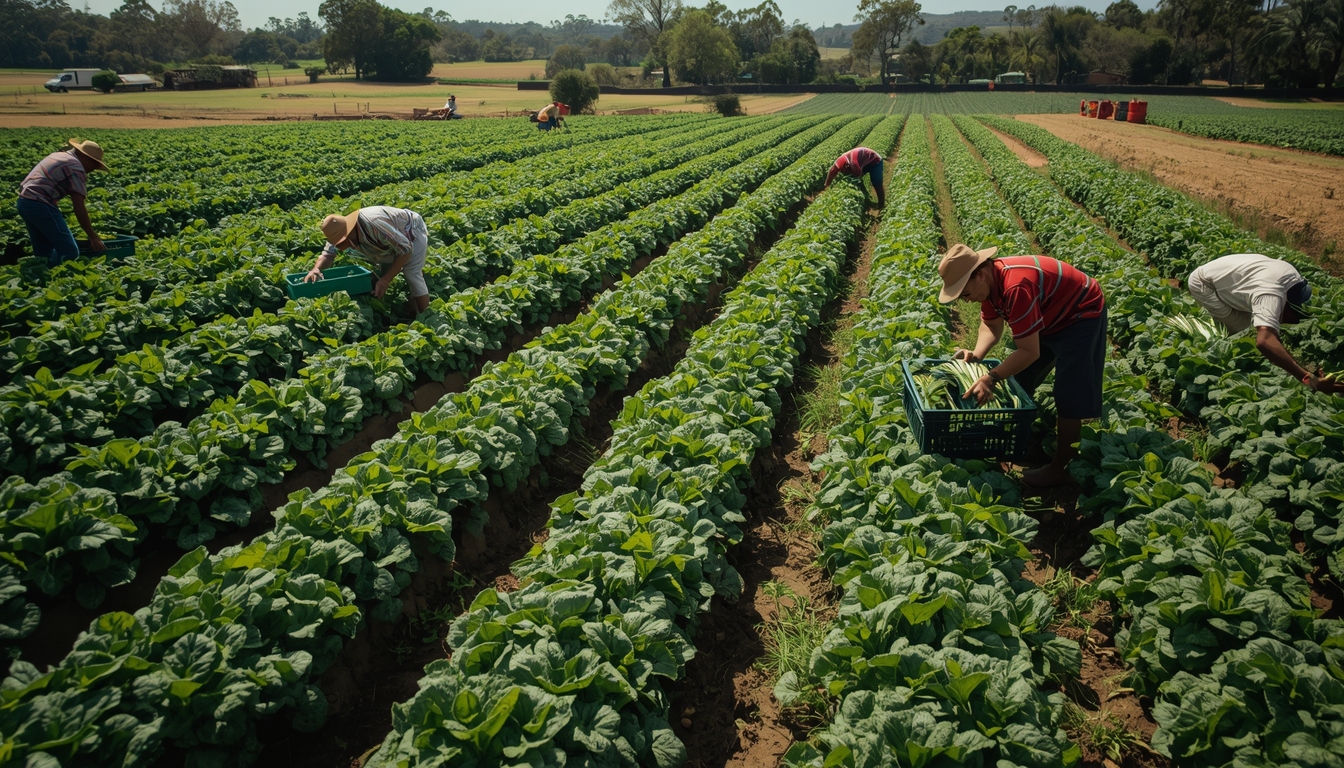
What counts as 88 days in Australia is one of the most confusing topics for many Working Holiday travelers planning to extend their visa.
Completing these 88 days correctly can allow you to apply for a second-year Working Holiday Visa — and potentially even a third year later on.
But this is also where many WHV travelers make expensive mistakes.
Some people spend months doing physically demanding farm work only to discover their job did not qualify. Others accept illegal cash jobs, fail to keep proper records, or misunderstand how the days are actually counted.
One thing beginners are often surprised by is how confusing the 88 days system can feel at first.
There’s a huge difference between:
- “farm work”
- “regional work”
- “specified work”
- and work that officially counts toward visa extensions
Many backpackers arrive expecting the process to be simple, only to discover that regional work often involves confusing rules, weather delays, unstable shifts, overcrowded hostels, and stressful waiting periods between jobs.
This guide explains exactly what counts as 88 days in Australia, which jobs qualify, how the days are calculated, common mistakes to avoid, and what Working Holiday travelers realistically experience during regional work.
For a full overview of WHV planning, budgeting, and visa rules, visit our complete Working Holiday Australia guide.
Last updated: May 2026
🎁 Plan your Australia working holiday the right way
Skip the confusion and get a step-by-step plan before you go.
✅ Visa checklist
✅ How to find a job fast
✅ 88 days explained simply
Free • No spam • Unsubscribe anytime
Quick Overview: What Counts Toward the 88 Days?
| Work Type | Usually Counts? | Difficulty | Common for Backpackers |
|---|---|---|---|
| Fruit Picking | Yes | High | Very common |
| Packing Shed Work | Yes | Medium | Common |
| Vineyard Work | Yes | Medium | Common |
| Construction (regional) | Sometimes | High | Moderate |
| Mining Support | Sometimes | High | Less common |
| Remote Hospitality | Sometimes | Medium | Increasingly common |
| City Hospitality Jobs | Usually No | Low-Medium | Very common |
One thing many beginners underestimate is how important postcode eligibility and employer legitimacy become during the 88 days process.
What Does “88 Days” Actually Mean?
The “88 days” requirement refers to completing at least 3 months of eligible specified work in approved regional areas of Australia.
This work allows many Working Holiday travelers to apply for:
- a second-year visa
- and later, a third-year extension
The work must meet immigration requirements related to:
- location
- industry
- payment legality
- employment conditions
Official eligibility requirements and regional work rules can be verified through the Australian Government website.
A common misunderstanding is that the days must be exactly 88 calendar days.
In reality, Australia generally treats this as roughly:
- 3 calendar months of full-time equivalent work
Different schedules can still qualify depending on hours worked and employment arrangements.
Understanding how the Working Holiday Visa system in Australia works before starting regional work can prevent major mistakes later.
What Jobs Count Toward the 88 Days Requirement?
The most common qualifying industries include:
- agriculture
- farming
- fruit picking
- packing shed work
- livestock work
- fishing
- tree farming
- mining
- construction (in some regional areas)
Typical backpacker jobs that often qualify include:
- fruit picking
- vineyard work
- vegetable harvesting
- cattle station work
- packing sheds
- crop maintenance
However, not every farm-related job automatically counts.
Many backpackers underestimate how important the postcode and industry classification are.
A job may involve farming but still fail eligibility requirements if:
- the location is incorrect
- the employer is not legitimate
- the work category is wrong
- the records are incomplete
A reality many WHV travelers discover too late is that some employers advertise “88 days jobs” without actually understanding visa eligibility rules themselves.
For realistic examples of qualifying regional jobs, read our best farm jobs for 88 days Australia guide.
What Is “Specified Work” in Australia?
Specified work is the official immigration term used for jobs that count toward visa extensions.
This usually includes work in:
- regional Australia
- approved industries
- legal employment conditions
As of 2026, specified work can include:
- plant and animal cultivation
- fishing and pearling
- tree farming
- mining
- construction
- bushfire recovery work (when applicable)
- some tourism and hospitality roles in remote areas
Many WHV travelers report feeling overwhelmed trying to understand whether their specific job qualifies.
This is why checking official postcode eligibility and keeping proper work records is extremely important.
What Regions Count for the 88 Days?
Not all of Australia qualifies for regional work.
Large parts of:
- Sydney
- Melbourne
- Brisbane
do not count for most 88-day jobs.
Eligible areas are based on postcode systems set by immigration authorities. You can also verify eligible regional postcodes through official immigration resources.
Popular regional work areas include:
- Queensland farming towns
- rural Victoria
- Tasmania
- regional Western Australia
- South Australia farming regions
- Northern Territory
One thing beginners are often surprised by is how isolated some regional towns feel compared to major Australian cities.
Some areas have:
- limited public transport
- poor internet
- very small populations
- few social activities
- overcrowded backpacker hostels
At the same time, many travelers also say regional Australia becomes one of the most memorable parts of their WHV experience.
For realistic location planning, read our best cities and regions for Working Holiday Australia guide.
How Are the 88 Days Counted?
This is one of the most confusing parts for beginners.
Full-Time Work
If you work standard full-time schedules, the days usually count continuously across your employment period.
Part-Time Work
Part-time arrangements may still count depending on:
- hours worked
- industry standards
- employment structure
Weather Delays
Weather disruptions are extremely common in farm work.
Rain, floods, storms, and crop conditions can suddenly stop work for days.
Many backpackers are surprised by how financially stressful weather delays become during regional work periods.
Some travelers spend weeks in working hostels waiting for shifts while still paying rent and food costs daily.
⚠️ Reality Check:
Completing 88 days often takes longer than many backpackers expect because of weather delays, inconsistent shifts, overcrowded regions, and unstable harvest schedules.
Understanding realistic cost of living in Australia during farm work periods is extremely important before arriving.
Farm Work vs Construction vs Hospitality
Different types of specified work create very different WHV experiences.
| Work Type | Advantages | Challenges |
|---|---|---|
| Farm Work | Easy entry point, social, lots of jobs | Heat, unstable hours, physical exhaustion |
| Construction | High pay, stable income | Hard physical labor, transport needed |
| Remote Hospitality | Accommodation often included, easier physically | Isolation, homesickness, remote living |
Farm Work
Advantages:
- easiest entry point
- lots of backpacker jobs
- social environment
Disadvantages:
- weather exposure
- physically exhausting
- unstable hours
- crowded regions
Construction Work
Advantages:
- higher wages
- stable hours
- less seasonal dependency
Disadvantages:
- physically demanding
- harder for beginners
- requires transport in many areas
Remote Hospitality
Advantages:
- accommodation often included
- easier physically
- stable income
Disadvantages:
- regional isolation
- homesickness
- long shifts
Many backpackers arrive assuming fruit picking is the only option for completing 88 days. In reality, regional Australia offers far more variety than most people expect.
For realistic job comparisons, read our highest paying jobs for Working Holiday Australia guide.
What Farm Work Is Actually Like
Social media often makes Australian farm work look easier than it really is.
The reality can include:
- 4–5 AM starts
- extreme heat
- flies
- mud
- repetitive lifting
- long harvest shifts
- sore muscles
- physically exhausting days
Banana farms in Queensland are especially known for:
- humidity
- heavy lifting
- wet conditions
- tropical heat
Something social media rarely shows is how mentally tiring repetitive farm work becomes after several weeks.
Some backpackers love the lifestyle and friendships that come with regional work.
Others struggle with:
- homesickness
- isolation
- crowded hostels
- financial pressure
- unstable work schedules
Both experiences are completely normal.
Don’t make the same mistakes most travelers do
Most people waste time, money, or struggle to find jobs because they don’t know what to expect.
✅ How to find jobs faster
✅ What to prepare before arriving
✅ How to complete your 88 days
Free • No spam • Unsubscribe anytime
Working Hostels: Helpful or Risky?
Working hostels are extremely common in regional Australia.
These hostels help backpackers:
- find jobs
- organize transport
- meet other travelers
But experiences vary heavily.
Some working hostels are:
- social
- well-organized
- genuinely helpful
Others are:
- overcrowded
- noisy
- expensive
- poorly managed
Some hostels may place:
- 6–12 backpackers in shared rooms
- with limited privacy
- crowded kitchens
- long waiting lists for work
Many backpackers underestimate how emotionally exhausting crowded hostel environments become after physically demanding workdays.
Long waiting lists for jobs can also create major financial pressure when travelers continue paying daily accommodation fees without guaranteed work.
At the same time, many travelers still describe working hostels as one of the easiest ways to meet people during regional work periods.
Common Mistakes That Cause Problems With 88 Days
Many Working Holiday travelers accidentally create visa problems during their regional work period.
The most common mistakes include:
- accepting illegal cash jobs
- not keeping payslips
- failing to track dates
- working in non-eligible postcodes
- trusting fake “88 days guaranteed” ads
- misunderstanding full-time requirements
A common mistake travelers make is assuming:
“If I’m on a farm, it automatically counts.”
Unfortunately, that is not always true.
Always keep:
- payslips
- contracts
- employer details
- accommodation records
- timesheets
These documents become extremely important if immigration requests evidence later.
Some backpackers also accept illegal cash jobs without realizing this may later create problems for visa applications, tax records, and employment verification.
Australia’s Fair Work Ombudsman also provides official information about workplace rights, payslips, and legal employment conditions.
For beginner planning mistakes, read our Working Holiday Australia mistakes to avoid guide.
👉 Internal Link Placement: Working Holiday Australia Mistakes to Avoid (2026 Guide)
How Long Does It Realistically Take to Complete 88 Days?
In theory:
- around 3 calendar months
In reality:
- sometimes longer
Weather delays, reduced shifts, overcrowded regions, and unreliable employers can slow the process significantly.
Many backpackers underestimate how competitive some farm regions become during peak backpacker seasons.
Towns like Bundaberg sometimes receive huge numbers of WHV travelers chasing the same harvest jobs after seeing social media content promising “easy 88 days.”
Some travelers spend weeks waiting for work while paying expensive hostel costs.
Planning your region and season properly matters far more than many beginners realize.
Essential Setup Before Starting Regional Work
✅ Recommended Resources for WHV Travelers
Regional Australia often involves:
- remote towns
- difficult transport
- physically demanding work
- unpredictable weather
- limited medical access
✈️ Travel Insurance for Regional Australia
Medical treatment in remote parts of Australia can become surprisingly expensive, especially for backpackers doing regional or farm work.
Many travelers don’t think much about insurance until something unexpected happens — like an injury, infection, or accident far from major cities.
Because of this, many Working Holiday travelers choose flexible travel insurance designed for backpackers and long-term travelers, such as SafetyWing.
👉 Explore SafetyWing Travel Insurance for WHV Travelers
📱 Internet Access After Arriving in Australia
Many farm employers prefer contacting backpackers through Australian phone numbers instead of international SIM cards, especially during active job applications.
At the same time, many travelers still need internet immediately after arriving in Australia for things like airport transport, maps, accommodation check-ins, and early job searching.
Many WHV travelers choose to set up a travel eSIM before arriving in Australia so they have internet access immediately after landing.
Flexible travel eSIM providers like Airalo are popular among backpackers during the first days in Australia before setting up a long-term Australian phone plan.
👉 Explore Australia eSIM Plans with Airalo
🏠 Finding Backpacker Accommodation in Australia
Finding accommodation during a Working Holiday in Australia can become surprisingly stressful, especially in busy backpacker regions during peak travel seasons.
Many travelers arrive expecting to find cheap hostel beds immediately, only to discover that popular areas can fill up quickly during farm harvest seasons or summer months.
For short-term stays, job-hunting periods, or the first days after arriving in Australia, many WHV travelers use backpacker accommodation platforms like Hostelworld to compare hostels, reviews, and locations more easily.
👉 Explore Backpacker Accommodation in Australia
For complete setup help, read our bank, SIM card & insurance setup guide for Australia.
Frequently Asked Questions
Does fruit picking always count toward the 88 days requirement?
No. The job must be:
• in an eligible region
• within an approved industry
• legally recorded
Can casual work count toward the 88 days?
Yes. Most backpackers work as casual employees during regional work periods.
How much do farm jobs usually pay in Australia?
As of 2026, many legal farm jobs pay around AUD 24–30 per hour for casual workers, although wages vary depending on:
• crop type
• region
• experience
• payment structure
Can I complete 88 days in hospitality?
Sometimes. Certain remote tourism and hospitality jobs may qualify in approved regional areas.
What happens if my employer does not provide payslips?
This creates serious risks for your visa application. Always keep proper employment records and avoid illegal cash-only arrangements.
Is completing the 88 days difficult?
For many backpackers, yes.
The combination of:
• physical fatigue
• weather
• homesickness
• unstable work
• crowded hostels
can become harder than expected.
But many travelers also describe regional work as one of the most rewarding parts of their WHV experience.
Continue Your Working Holiday Planning
👉 Working Holiday Australia: Complete Guide for 2026
👉 Best Farm Jobs for 88 Days Australia (2026)
👉 Best Jobs for Working Holiday Australia (High Paying 2026)
👉 Cost of Living in Australia for Working Holiday (2026 Breakdown)
👉 Bank, SIM Card & Insurance Setup in Australia (2026 Working Holiday Guide)
Final Thoughts: Understanding the 88 Days Properly Matters
Completing the 88 days requirement is one of the biggest milestones during a Working Holiday in Australia.
But doing it successfully requires more than simply “working on a farm.”
The backpackers who usually have the best experiences are the ones who:
- research regions properly
- prepare financially
- choose employers carefully
- understand visa rules early
- set realistic expectations
Regional Australia can be:
- exhausting
- uncomfortable
- unpredictable
But it can also become:
- financially rewarding
- socially unforgettable
- personally challenging in a good way
The key is understanding what you are walking into before arriving.
For full visa planning, budgeting advice, and WHV strategies, read our Working Holiday Australia complete guide for 2026.
Ready to start your working holiday in Australia?
You now know what it takes — but having everything in one place makes it much easier.
✅ Step-by-step plan
✅ Job strategies
✅ 88 days simplified
Free • No spam • Unsubscribe anytime