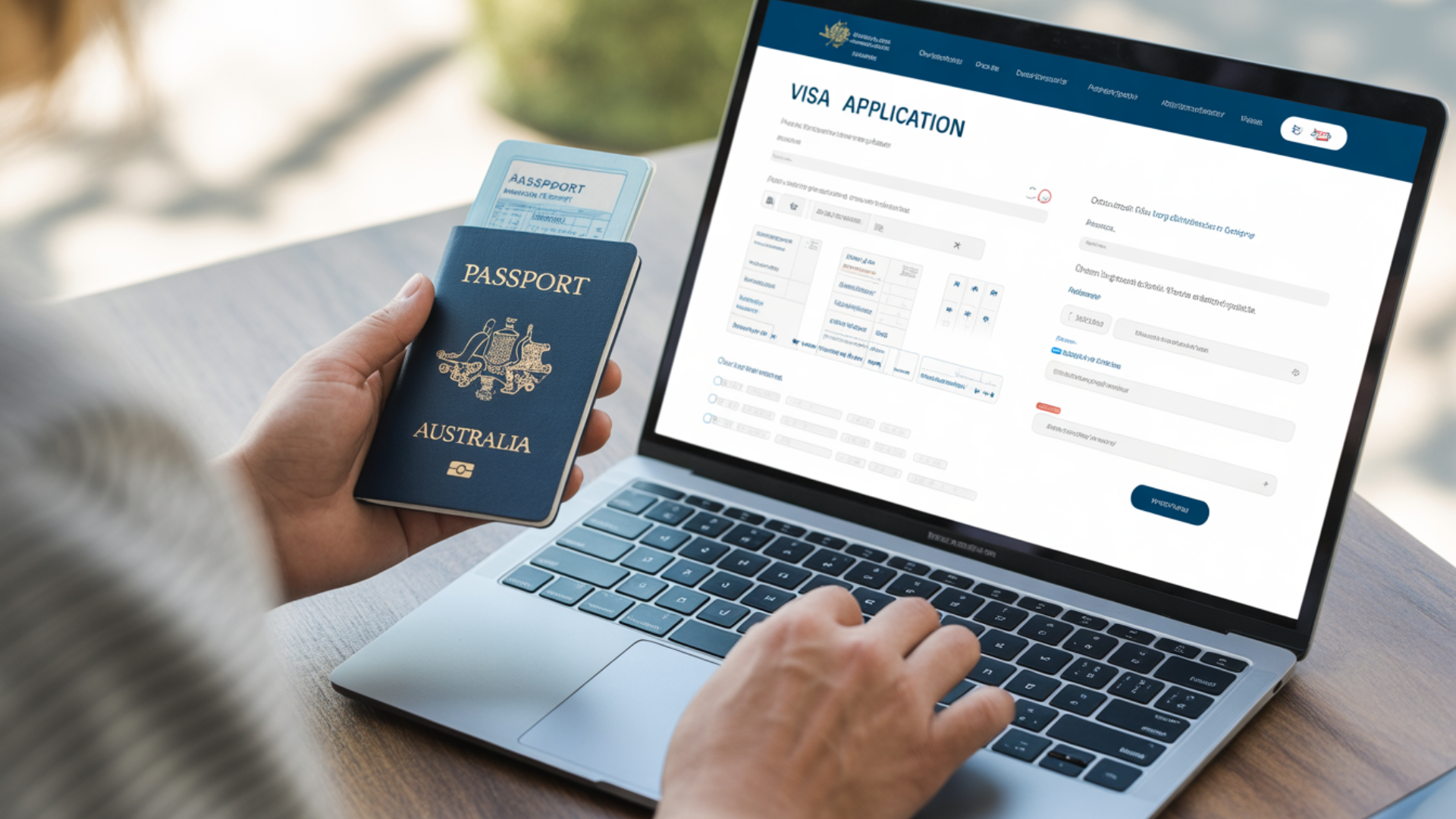
A Working Holiday Visa Australia allows young people to live, work, and travel in Australia for up to 12 months.
It is one of the most popular work-abroad programs in the world.
Every year, hundreds of thousands of travelers use it to:
- Earn money while traveling
- Gain international work experience
- Explore Australia long-term
- Fund extended travel
- Build independence abroad
Unlike a tourist visa, the Working Holiday Visa allows you to work legally in Australia.
In this complete 2026 guide, you’ll learn exactly what the visa is, how it works, who qualifies, and how to use it strategically.
If you are planning to apply, start here:
👉For full visa planning, read our complete step-by-step application guide for the Australia Working Holiday Visa.
Last updated: June 2026 — Visa rules, eligibility requirements, extension options, and Working Holiday planning information reviewed and updated for accuracy.
🎁 Plan your Australia working holiday the right way
Skip the confusion and get a step-by-step plan before you go.
✅ Visa checklist
✅ How to find a job fast
✅ 88 days explained simply
Free • No spam • Unsubscribe anytime

What Most People Don’t Realize About a Working Holiday Visa
Many first-time applicants assume the visa itself is the biggest challenge.
In reality, applying for a Working Holiday Visa is often the easiest part of the process.
The bigger challenges usually come later.
Finding work, managing your budget, choosing where to live, understanding visa extension requirements, and planning your first months in Australia often require far more preparation than the application itself.
Many successful Working Holiday travelers spend weeks researching their options before arriving, which helps them avoid common mistakes and settle into life in Australia much faster.
What Does the Working Holiday Visa Allow You to Do?
With a Working Holiday Visa Australia, you can:
✔ Stay in Australia for up to 12 months
✔ Work legally in most industries
✔ Study for up to four months
✔ Enter and leave Australia freely during your visa
✔ Apply for a second or third year (if eligible)
It is designed for cultural exchange — not permanent migration.
The visa gives flexibility. You are not tied to one employer, city, or region.
👉The official Australia goverment site show you everything about Working Holiday Visa
Visa Subclasses: 417 vs 462
Australia offers two main Working Holiday Visa subclasses:
- Subclass 417
- Subclass 462
Both allow similar rights, but eligibility depends on nationality.
Subclass 462 may require:
- Proof of English ability
- Educational qualifications
- Additional documentation
Before applying, confirm which subclass you qualify for.
👉For detailed eligibility rules, read our complete guide on who can apply for a Working Holiday Visa in Australia.
How Long Can You Stay?
Your first Working Holiday Visa Australia allows you to stay for up to 12 months.
However, you may qualify for:
- A second year (after completing 88 days of specified work)
- A third year (after additional qualifying work)
This means some travelers stay up to three years.
👉For full details about visa extensions, read our complete guide to the 88 days requirement for a second-year Working Holiday Visa.
What Kind of Jobs Can You Do?
You can work in most industries, including:
- Hospitality
- Retail
- Construction
- Agriculture
- Tourism
- Warehousing
- Administration
Many Working Holiday makers choose flexible, short-term roles that allow them to travel between cities.
Some industries offer higher wages than others.
👉For a breakdown of the highest-paying and easiest jobs for Working Holiday makers, read our complete job guide.
How Much Can You Earn?
Australia has one of the highest minimum wages in the world.
As of 2026, the national minimum wage is approximately:
AUD 24+ per hour (before penalty rates).
Full-time workers can earn:
AUD 3,500–5,000+ per month
depending on industry and hours.
Your earning potential depends heavily on:
- Location
- Industry
- Experience
- Work hours
👉For a realistic breakdown of living expenses versus income, read our complete cost of living guide for Working Holiday makers in Australia.
How Much Money Do You Need Before Applying?
The Australian government recommends having at least:
AUD 5,000
plus money for a return ticket.
However, many experienced travelers recommend arriving with:
AUD 6,000–8,000
for a safer financial buffer.
Your first month often includes:
- Rent deposit
- Accommodation
- Transport
- Setup costs
One of the biggest mistakes new Working Holiday travelers make is focusing only on the minimum amount required by immigration.
While meeting the minimum requirement is important, arriving with additional savings often provides far more flexibility when searching for accommodation, exploring different cities, and finding your first job.
Many backpackers spend more than expected during their first few weeks before receiving their first paycheck.
Where Can You Live?
You can live anywhere in Australia.
Popular locations include:
- Sydney
- Melbourne
- Brisbane
- Perth
- Gold Coast
- Regional towns
Each location has different:
- Rent levels
- Job markets
- Lifestyle advantages
One thing many travelers underestimate is how different Australian cities can feel.
Sydney offers the largest job market but also some of the highest living costs. Melbourne is popular for its culture and café scene, while Perth often appeals to travelers looking for strong wages and a more relaxed lifestyle.
Regional areas can offer lower living costs and easier access to qualifying work for visa extensions, but they may also provide fewer entertainment and transport options.
The best location often depends on your goals, budget, and preferred lifestyle.

What Is the 88 Days Requirement?
If you want to apply for a second-year visa, you must complete 88 days of specified work in approved industries and postcodes.
Many travelers assume this only means fruit picking — but other industries may qualify.
Working in the wrong location or industry can result in rejected days.
👉For full details, read our complete 88 days guide for Working Holiday visa holders.
Do You Need a Job Before Arriving?
No. Most Working Holiday travelers arrive in Australia without a job already arranged.
In fact, many employers prefer meeting applicants in person and hiring people who are already in Australia and available to start quickly.
Some travelers find work within a few days of arriving, while others spend several weeks applying before securing their first position.
How quickly you find work often depends on:
- location
- season
- previous experience
- transport access
- flexibility
Many first-time Working Holiday travelers worry about arriving without a job, but this is completely normal.
The bigger priority is usually arriving with enough savings to support yourself during your first few weeks while you settle in, explore different areas, and begin applying for work.
One thing many backpackers underestimate is how important preparation can be before starting their job search.
Having accommodation arranged, access to mobile data, and a way to manage your money abroad can make the transition significantly smoother.
For most travelers, arriving prepared and remaining flexible about where they work is far more important than having a job secured before landing in Australia.
Essential Resources for Finding Work in Australia
✅ Recommended Resources for WHV Job Seekers
Finding work in Australia is usually easier when you have the right essentials set up before you start applying.
Many Working Holiday travelers need:
- reliable internet access
- temporary accommodation
- a way to manage money abroad
- local contact details for employers
Having these basics organized early can make job hunting significantly less stressful during your first weeks in Australia.
📱 Stay Reachable for Employers
Many Australian employers prefer contacting applicants through phone calls or text messages rather than email, especially when hiring for hospitality, warehouse, or construction roles.
A reliable mobile connection can also make it easier to search job boards, navigate interviews, and stay in touch with potential employers while moving between cities.
Many WHV travelers choose to set up a travel eSIM before arriving in Australia so they can start applying for jobs immediately after landing.
Flexible travel eSIM providers like Airalo are popular among backpackers during their first weeks in Australia before setting up a long-term Australian phone plan.
👉 Explore Australia eSIM Plans with Airalo
🏠 Accommodation During Your Job Search
Finding work can sometimes take longer than expected, especially in competitive cities like Sydney or Melbourne during peak backpacker seasons.
Many travelers arrive expecting to secure a job quickly, only to spend several days or weeks attending interviews, exploring different neighborhoods, and comparing opportunities.
During this period, flexible accommodation can make the process significantly less stressful.
Many WHV travelers use Hostelworld to find temporary accommodation while job hunting and settling into life in Australia.
👉 Explore Backpacker Accommodation in Australia
💳 Managing Money While Job Hunting
Many backpackers arrive in Australia with a limited budget and need to carefully manage their spending during their first weeks abroad.
Transport costs, accommodation, food, and everyday expenses can add up quickly before your first paycheck arrives.
Digital banking tools like Revolut are popular among travelers because they make it easier to manage money internationally, track spending, and avoid unnecessary currency exchange fees while settling into life in Australia.
👉 Explore Revolut for Travel & Everyday Spending
Is the Working Holiday Visa Worth It?
For many travelers, a Working Holiday Visa Australia becomes one of the most memorable experiences of their lives.
On paper, it might simply look like a visa that allows you to work and travel abroad.
In reality, it often becomes much more than that.
Many people arrive in Australia knowing nobody, carrying a backpack, and feeling unsure about what the next few months will look like.
A year later, they leave with new friendships, work experience, greater confidence, and memories they never expected to create.
Of course, a Working Holiday is not always easy.
There will likely be moments when you feel homesick, overwhelmed, frustrated by job hunting, or challenged by living in an unfamiliar environment.
But those experiences are often part of what makes the journey so rewarding.
Many travelers arrive with plans to stay for one year but later decide to complete regional work and extend their stay.
Others discover industries they never considered before, from hospitality and construction to remote regional jobs that offer strong earning potential.
For many backpackers, the biggest regret is not taking the opportunity sooner.
Whether your goal is to save money, travel Australia, gain international work experience, or simply challenge yourself, a Working Holiday Visa offers a unique chance to do all of those things at the same time.
The experience will ultimately be what you make of it — but for many travelers, it becomes far more valuable than they imagined before arriving.
Understanding living costs, choosing the right city, and planning your finances early can make a huge difference to your overall experience.
The more prepared you are before arriving, the more freedom you will have to focus on enjoying the experience rather than solving preventable problems.
Who Should Consider a Working Holiday Visa?
This visa is ideal for:
- Gap year travelers
- Young professionals
- University graduates
- Adventure seekers
- People wanting international experience
It is not ideal for:
- Long-term migration planning
- Bringing dependent children
- Permanent residency goals (without other pathways)
Always confirm eligibility before planning everything else.
👉For full eligibility details, read our guide on who can apply for a Working Holiday Visa in Australia.
Common Working Holiday Mistakes
Many travelers arrive in Australia with unrealistic expectations about how quickly they will find work, how much money they will spend, or how easy it is to complete visa extension requirements.
Some of the most common mistakes include:
- arriving with insufficient savings
- delaying job applications
- misunderstanding the 88 days requirement
- failing to keep employment records
- ignoring accommodation costs
- waiting too long to plan a second-year visa
Most of these mistakes are avoidable with proper preparation before arrival.
The more you understand the Working Holiday system before landing in Australia, the smoother your experience is likely to be.
Frequently Asked Questions
How long does it take to get a Working Holiday Visa for Australia?
Processing times vary. Some applications are approved within days, while others may take several weeks depending on individual circumstances.
Do I need a job before arriving in Australia?
No. Most Working Holiday travelers find work after arriving in Australia.
Can I stay longer than one year?
Yes. Eligible travelers may qualify for a second or third Working Holiday Visa by completing approved specified work.
How much money should I have before arriving?
While the government minimum is important, many travelers prefer arriving with additional savings to cover accommodation, transport, and living expenses during their first month.
Can I work full-time on a Working Holiday Visa?
Yes. Most Working Holiday Visa holders can work full-time in eligible jobs.
Is Australia expensive for backpackers?
It can be, particularly in major cities. However, strong wages often help offset higher living costs.
Is the Working Holiday Visa worth it?
For many travelers, yes. It provides the opportunity to earn money, gain international experience, travel extensively, and potentially stay in Australia for multiple years.
Continue Your Working Holiday Planning
A Working Holiday Visa is only the first step.
To make the most of your time in Australia, continue planning with these guides:
👉 Working Holiday Visa Australia Application Guide
👉 Best Jobs for Working Holiday Australia
👉 Cost of Living in Australia for Working Holiday Travelers
👉 Best Cities in Australia for Working Holiday Travelers
👉 Bank, SIM Card & Insurance Setup in Australia
👉 Working Holiday Australia Mistakes to Avoid
These guides will help you understand visa requirements, find work faster, manage your budget, and prepare for a successful Working Holiday experience.
Final Thoughts: A Working Holiday Visa Is More Than Just a Visa
For many travelers, a Working Holiday Visa Australia becomes much more than a simple travel opportunity.
It is often the first chance to live independently in another country, build confidence, earn money abroad, and experience a completely different lifestyle.
The visa itself is relatively straightforward.
The real challenge — and the real opportunity — comes from what you do after you arrive.
Where you choose to live, how you manage your budget, the jobs you take, and whether you plan ahead for visa extensions can have a major impact on your overall experience.
Many travelers arrive expecting a short trip and end up staying for two or even three years.
Others discover new career paths, lifelong friendships, and opportunities they never expected before leaving home.
The more prepared you are before arriving in Australia, the easier it becomes to make the most of everything the Working Holiday program has to offer.
For complete planning advice, visa guidance, budgeting tips, and job strategies, explore our Working Holiday Australia Complete Guide for 2026.
Ready to start your working holiday in Australia?
You now know what it takes — but having everything in one place makes it much easier.
✅ Step-by-step plan
✅ Job strategies
✅ 88 days simplified
Free • No spam • Unsubscribe anytime