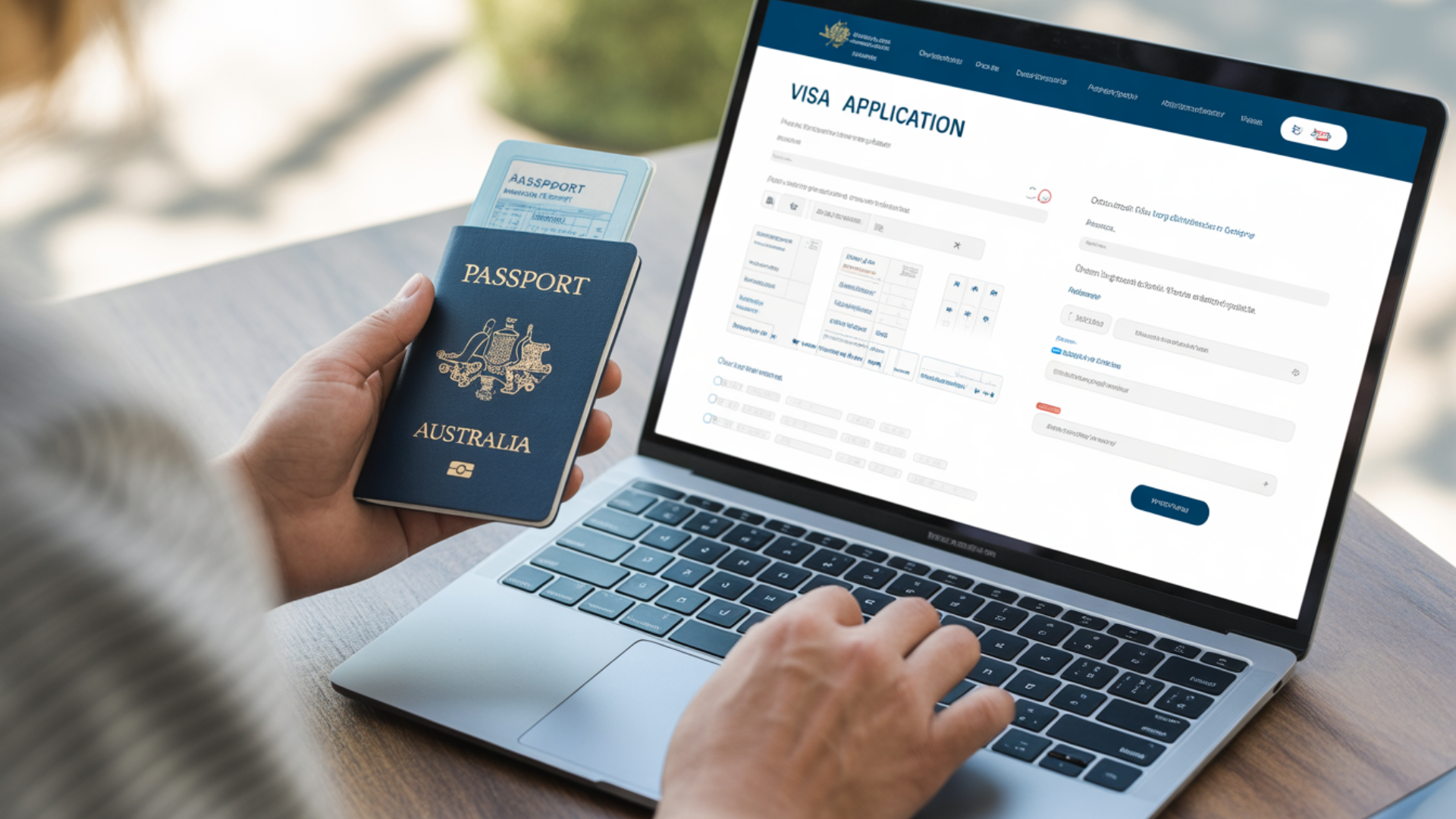
Looking for a complete Working Holiday Visa Australia FAQ?
Planning your move involves more than just booking a flight. From visa conditions and job limits to second-year extensions, savings requirements, and health insurance — knowing the rules can make or break your experience.
This updated 2026 FAQ covers the most frequently asked questions about the Working Holiday Visa in Australia, all in one place
Last updated: June 2026 — Frequently asked questions, visa rules, work conditions, 88-day requirements, and Working Holiday planning information reviewed and updated for accuracy.
🎁 Plan your Australia working holiday the right way
Skip the confusion and get a step-by-step plan before you go.
✅ Visa checklist
✅ How to find a job fast
✅ 88 days explained simply
Free • No spam • Unsubscribe anytime

Quick Answers
Here are the short answers to some of the most common Working Holiday questions:
✔ Can I work in Australia? → Yes
✔ Can I stay longer than one year? → Yes, if you meet extension requirements
✔ Do I need a job before arriving? → No
✔ Do I need health insurance? → Strongly recommended
✔ Can I save money? → Yes, many travelers do
✔ Does farm work automatically count toward 88 days? → No
For detailed explanations, continue reading below.
What Most First-Time Applicants Ask
Planning a Working Holiday in Australia often raises more questions than people expect.
Many travelers start by researching visa requirements, but quickly find themselves wondering about jobs, accommodation, bank accounts, taxes, insurance, and how the 88 days requirement actually works.
The good news is that most of these questions have straightforward answers once you understand how the Working Holiday system is structured.
This FAQ brings together the most common questions asked by first-time applicants and backpackers already planning their move to Australia.
Visa & Application Questions
What is the Working Holiday Visa for Australia?
The Working Holiday Visa allows eligible young travelers to live, work, and travel in Australia for up to 12 months.
It is designed to promote cultural exchange while giving visitors the opportunity to support themselves through temporary employment.
Many travelers use the visa to explore Australia, gain international work experience, and fund long-term travel through jobs in industries such as hospitality, construction, tourism, and agriculture.
Eligible travelers may also qualify for second and third-year visa extensions by completing approved specified work in regional Australia.
How long does visa processing take?
Processing times vary depending on factors such as your nationality, application details, and whether additional checks are required.
Some Working Holiday Visa applications are approved within a few days, while others may take several weeks.
To reduce delays, make sure all information is accurate and that any requested documents are uploaded correctly when applying.
Many experienced travelers recommend applying well before booking flights to allow extra time if unexpected delays occur.
Can I apply while inside Australia?
In most cases, first-time Working Holiday Visa applicants must apply while outside Australia.
Visa requirements can vary depending on your nationality and individual circumstances, so it is important to verify the current rules before submitting your application.
Applying from the wrong location may result in delays or an invalid application.
How much money do I need to apply?
The Australian Government generally recommends having at least AUD 5,000 available, plus enough funds for onward or return travel.
However, many experienced Working Holiday travelers prefer arriving with AUD 6,000–8,000 or more.
Your first few weeks often include accommodation deposits, transport costs, food, setup expenses, and time spent job hunting before receiving your first paycheck.
Having additional savings provides flexibility and reduces financial pressure while settling into life in Australia.
Work & Income Questions
Can I work full-time on a Working Holiday Visa?
Yes.
Working Holiday Visa holders can work full-time in most industries throughout Australia.
However, visa conditions may limit how long you can work for the same employer depending on your visa subclass and current immigration rules.
Many travelers work full-time to build savings before taking time off to travel around the country.
What is the minimum wage in Australia?
Australia has one of the highest minimum wages in the world.
As of 2026, the national minimum wage is approximately AUD 24+ per hour before penalty rates and allowances.
Many industries pay higher rates depending on experience, location, shift times, and award agreements.
Construction, mining support, remote hospitality, and weekend work can often provide significantly higher earnings than the national minimum wage.
How long does it take to find a job?
This depends on factors such as location, season, previous experience, and the type of work you are looking for.
Some Working Holiday travelers secure a job within a few days of arriving, while others may spend several weeks applying before receiving their first offer.
Being flexible about where you work and remaining open to different industries often increases your chances of finding employment quickly.
Having a local phone number, Australian-style resume, and bank account already set up can also make the process significantly easier.
Are cash jobs legal?
Not always.
While being paid in cash is not automatically illegal, employers must still follow Australian tax, wage, and employment laws.
Many cash-only jobs operate outside legal requirements and may leave workers vulnerable to underpayment, unsafe conditions, or missing employment records.
For Working Holiday travelers, undocumented work can also create problems when applying for visa extensions that require proof of qualifying employment.
Keeping payslips and employment records is always recommended.
88 Days & Visa Extension Questions
What are the 88 days?
The 88 days requirement refers to three months of specified work completed in approved industries and regional areas of Australia.
Eligible travelers who complete this requirement may qualify for a second-year Working Holiday Visa.
Many people assume the requirement simply means working on a farm, but the rules are more detailed and depend on both the type of work and the location.
Understanding these requirements before accepting a job can help avoid costly mistakes later.
Does 88 days only mean farm work?
No.
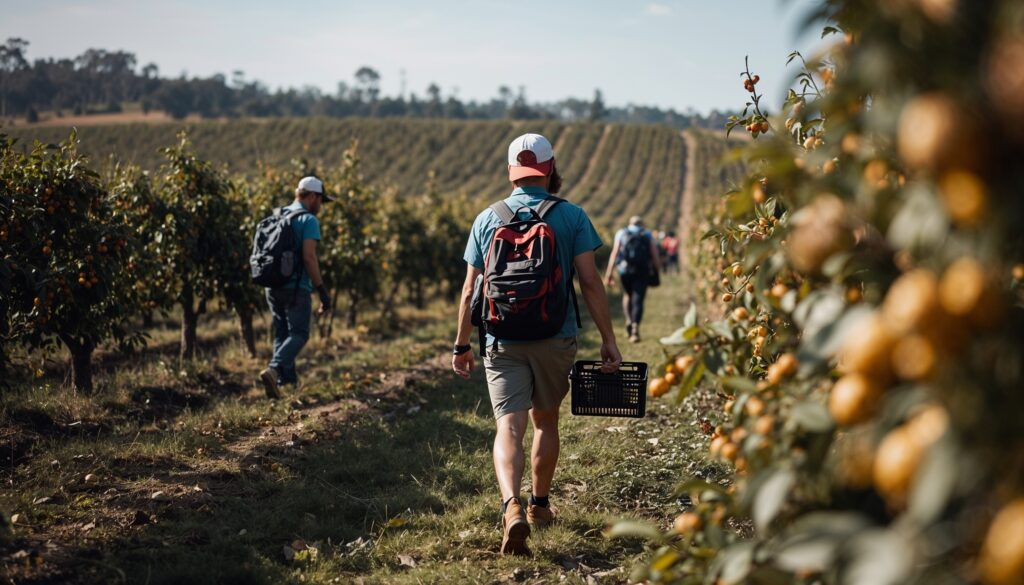
While farm work is the most common way to complete the 88 days requirement, it is not the only option.
Depending on your visa subclass and location, eligible work may also include construction, mining support, fishing, tree farming, and certain tourism or hospitality roles in approved regional areas.
Many backpackers miss opportunities because they assume only fruit picking qualifies.
Always verify both the industry and postcode before accepting a job that you intend to count toward your visa extension.
Can I complete 88 days with multiple employers?
Yes.
You are not required to complete all qualifying work with a single employer.
Many Working Holiday travelers combine work from multiple farms, businesses, or regional employers while building their 88 days.
The important thing is ensuring that every job meets the eligibility requirements and that you keep accurate records, payslips, and employer details throughout the process.
How much can I earn during 88 days?
Income varies depending on the industry, location, and type of work performed.
Farm work, packing shed roles, construction, and mining support positions can all offer very different wage levels.
Many travelers earn between AUD 22–40+ per hour during qualifying regional work, with some remote roles offering additional benefits such as accommodation or meals.
Your total earnings will depend on how consistently you work and the industry you choose.
Living & Budget Questions
Is Australia expensive?
Compared to many countries, yes.
Accommodation, food, transport, and entertainment can be noticeably more expensive than many travelers expect.
However, Australia also offers some of the highest minimum wages in the world, which helps offset the higher cost of living.
Many Working Holiday travelers find that while daily expenses can be high, strong earning opportunities make it possible to both travel and save money when budgeting carefully.
Can I save money during my Working Holiday?
Yes.
Many Working Holiday travelers save thousands of dollars during their stay, particularly when working full-time in industries with strong wages.
Construction, remote hospitality, mining support, warehousing, and regional work often provide some of the highest earning potential.
Your ability to save depends largely on your spending habits, accommodation costs, lifestyle choices, and how consistently you work.
Many backpackers travel extensively during their first months and focus on saving later, while others prioritize building savings from the beginning.
Which city is best for Working Holiday makers?
There is no single best city for everyone.
Sydney offers the largest job market but also some of the highest living costs. Melbourne is popular for hospitality and culture, while Perth is often known for strong wages and a more relaxed lifestyle.
Regional areas can provide lower living costs and easier access to qualifying work for visa extensions.
The best location depends on your goals, budget, work preferences, and travel plans.
Setup & Essentials Questions
Do I need a bank account in Australia?
Yes.
Most employers pay wages directly into an Australian bank account, making it one of the first things many Working Holiday travelers set up after arriving.
Having a local account also makes it easier to pay rent, manage expenses, and avoid unnecessary international banking fees.
Many travelers open their account during their first few days in Australia before beginning their job search.
Is health insurance mandatory?
Requirements vary depending on your nationality, visa subclass, and any reciprocal healthcare agreements that may apply.
Even when insurance is not strictly required, many Working Holiday travelers choose to arrange coverage before arriving.
Medical treatment, emergencies, travel disruptions, and workplace injuries can become expensive without adequate protection.
For many backpackers, insurance provides peace of mind while living and working abroad.
Many Working Holiday travelers choose to arrange insurance before departure so they are covered from the moment their journey begins.
👉 Explore SafetyWing Travel Insurance
When should I get a SIM card?
As soon as possible after arriving in Australia.
A local phone number makes it easier for employers, landlords, banks, and government services to contact you.
Many Working Holiday travelers choose to activate a travel eSIM before departure so they have internet access immediately after landing.
Having reliable mobile service from day one can make job searching, navigation, accommodation check-ins, and banking setup significantly easier.
Many travelers choose to activate a travel eSIM before departure so they have internet access immediately after landing.
👉 Explore Australia eSIM Plans with Airalo
Tax & Financial Questions
Do I need a Tax File Number (TFN)?
Yes.
A Tax File Number (TFN) helps ensure that you are taxed correctly while working in Australia.
Most employers will request your TFN shortly after you begin employment, and obtaining one is a simple process that can be completed online after arrival.
Without a TFN, you may be taxed at a significantly higher rate than necessary.
Many Working Holiday travelers apply for their TFN during their first week in Australia alongside setting up their bank account and phone service.
Do Working Holiday makers pay tax?
Yes.
Working Holiday Visa holders are generally required to pay tax on income earned while working in Australia.
The amount you pay depends on your earnings, tax residency status, and current tax rules.
To ensure you are taxed correctly, you should apply for a Tax File Number (TFN) soon after arriving and keep records of all income throughout your stay.
Travel & Lifestyle Questions
Can I travel during my visa?
Yes.
One of the biggest advantages of the Working Holiday Visa is the flexibility it provides.
You are free to travel throughout Australia, take road trips between states, leave the country temporarily, and return later as long as your visa remains valid.
Many travelers alternate between periods of work and travel, allowing them to earn money in one location before spending time exploring other parts of the country.
This flexibility is one of the reasons the Working Holiday program remains so popular among backpackers and long-term travelers.
Can I study on a Working Holiday Visa?
Yes.
Working Holiday Visa holders can study in Australia for up to four months during their stay.
Many travelers use this opportunity to take short courses, improve their English, gain certifications, or learn new skills while living in Australia.
However, the visa is primarily designed for travel and temporary work rather than full-time education. If your main goal is long-term study, a student visa may be more suitable.
For most Working Holiday travelers, short courses are a great way to build skills while still enjoying the flexibility of the visa.
Can I extend my visa twice?
Yes, many eligible travelers can extend their stay beyond the initial 12 months.
After completing approved specified work, you may qualify for a second-year Working Holiday Visa. Additional qualifying work can potentially make you eligible for a third year.
Extension requirements vary depending on your visa subclass and the type of work completed, so it is important to understand the rules before planning your extension strategy.
Is Australia still worth it for Working Holiday travelers in 2026?
For many travelers, yes.
Australia continues to offer strong wages, diverse job opportunities, and the chance to combine work with long-term travel. While living costs have increased, many Working Holiday makers still find it possible to save money while exploring the country.
Success often comes down to preparation, flexibility, and realistic expectations.
What is the biggest mistake new Working Holiday travelers make?
One of the most common mistakes is arriving with unrealistic expectations about how quickly it will be possible to find work.
Many travelers underestimate accommodation costs, transport expenses, and how important it is to have enough savings during the first few weeks.
Arriving prepared financially can make a significant difference.
Should I start in a city or regional area?
It depends on your goals.
Major cities generally offer more job opportunities, better public transport, and larger backpacker communities.
Regional areas often provide lower living costs and easier access to qualifying work for visa extensions.
Many travelers choose to start in a city before moving to regional areas later.
Reality Check: What Most Travelers Worry About
Many first-time applicants worry about finding work, making friends, or running out of money.
In reality, most Working Holiday travelers successfully solve these challenges once they arrive.
The biggest problems usually come from poor planning rather than a lack of opportunities.
Arriving with enough savings, understanding visa requirements, and staying flexible often matters far more than having every detail planned in advance.
Common Mistakes to Avoid
Many Working Holiday travelers believe the biggest challenge is getting their visa approved.
In reality, most problems happen after arrival.
Some of the most common mistakes include:
- arriving with insufficient savings
- delaying job applications
- accepting underpaid or cash-only work
- misunderstanding the 88 days requirement
- failing to keep payslips and employment records
- waiting too long to organize accommodation
- skipping insurance coverage
Most of these mistakes are avoidable with a little preparation before departure.
The more you understand the Working Holiday system before arriving, the easier it becomes to avoid unnecessary stress and make the most of your time in Australia.
Continue Your Working Holiday Planning
If you still have questions about Working Holiday life in Australia, these guides can help you plan the next stage of your journey:
👉 Working Holiday Australia Complete Guide
👉 How to Apply for a Working Holiday Visa Australia
👉 Best Jobs for Working Holiday Australia
👉 Best Cities for Working Holiday Travelers
👉 Bank, SIM Card & Insurance Setup in Australia
👉 Working Holiday Australia Mistakes to Avoid
Together, these guides cover everything from visas and jobs to budgeting, accommodation, and regional work requirements.
Final Thoughts: Questions Are Normal — Preparation Is Powerful
Almost every Working Holiday traveler starts with questions.
Questions about visas, jobs, money, accommodation, regional work, and whether moving to Australia is the right decision.
The good news is that thousands of travelers successfully navigate the same process every year.
Most challenges become much easier once you understand the system and prepare in advance.
The more informed you are before arriving, the more freedom you will have to focus on the opportunities that make a Working Holiday experience so rewarding.
Australia can offer far more than just a year abroad.
For many travelers, it becomes a chance to gain confidence, build independence, meet people from around the world, and create experiences that stay with them long after they return home.
If you’re still planning your move, continue exploring the guides throughout Work Travel Guide and use them to build a Working Holiday plan that fits your goals.
Ready to start your working holiday in Australia?
You now know what it takes — but having everything in one place makes it much easier.
✅ Step-by-step plan
✅ Job strategies
✅ 88 days simplified
Free • No spam • Unsubscribe anytime