Last updated: May 2026 — regional work rules, wages, and farm job conditions reviewed for accuracy.
Best farm jobs for 88 days Australia are one of the most searched topics among Working Holiday makers planning to extend their visa and stay longer in the country. It’s the gateway to a second-year visa — and for some travelers, even a third year.
But choosing the right farm job matters far more than most beginners realize.
Some jobs are social, structured, and relatively beginner-friendly. Others involve brutal heat, unstable pay, physically exhausting labor, and remote living conditions that cause many backpackers to quit after just a few days.
A lot of travelers arrive in Australia assuming “farm work is farm work.” In reality, different regions, employers, crops, and accommodation situations can create completely different experiences.
This guide is based on current Australian Working Holiday Visa rules, regional work requirements, wage standards, and common experiences shared by backpackers across Australia.
In this guide, you’ll learn which farm jobs are best for completing your 88 days, which jobs are easiest for beginners, how much you can realistically earn, and what backpackers often underestimate before starting regional work.
For a full overview of visas, jobs, costs, and long-term planning, visit our complete Working Holiday Australia guide.
🎁 Plan your Australia working holiday the right way
Skip the confusion and get a step-by-step plan before you go.
✅ Visa checklist
✅ How to find a job fast
✅ 88 days explained simply
Free • No spam • Unsubscribe anytime
What Counts Toward the 88 Days Requirement?
To qualify for a second-year Working Holiday Visa, you must complete approved regional work in eligible areas and industries.
Common qualifying industries include:
- agriculture
- farming
- harvest work
- vineyards
- livestock
- fishing
- construction (in some regional areas)
However, not every “farm job” automatically counts.
One of the biggest mistakes backpackers make is trusting employers without properly checking eligibility first. Some travelers complete weeks of difficult work only to later discover their days do not qualify for a visa extension.
Regional work rules can also change over time, so always verify:
- the postcode
- industry type
- employer legitimacy
- payment records
before starting work.
You can verify current regional work rules and approved postcodes directly through the Australian Government website.
For a complete breakdown of approved industries, postcodes, and visa rules, read our 88 days requirement explained guide.
Best Farm Jobs for Beginners
Not all regional jobs are equally difficult.
Some are much more beginner-friendly and manageable for first-time backpackers.
The easiest farm jobs for most beginners include:
- packing shed work
- vineyard work
- blueberry picking
- nursery work
- greenhouse jobs
These jobs are usually less physically demanding than large-scale fruit picking or remote cattle station work.
Many first-time backpackers underestimate how exhausting Australian summer heat can become during outdoor harvest work.
Packing sheds are especially popular because they are indoors, more structured, and protected from extreme Australian weather. Many backpackers are surprised by how difficult outdoor farm work becomes during 35–40°C summer days, especially in Queensland.
Working inside a packing shed may not be exciting, but after several weeks in intense heat, repetitive indoor work suddenly feels far more attractive.
Packing Shed Work vs Fruit Picking
Packing shed jobs:
- more stable hours
- easier physically
- better for beginners
- usually hourly pay
Fruit picking:
- more exhausting
- often piece-rate pay
- income depends on speed
- harder for inexperienced workers
For many first-timers, hourly-paid packing jobs are far less stressful than competing against experienced workers in piece-rate fruit picking.
Travelers who want better long-term income opportunities after their regional work often transition into higher-paying Working Holiday jobs later during their visa.
Hardest Farm Jobs Backpackers Often Underestimate
Some farm jobs sound easier online than they actually are.
Backpackers often underestimate:
- banana farms
- melon farms
- cattle stations
- heavy harvest labor
- remote outdoor work
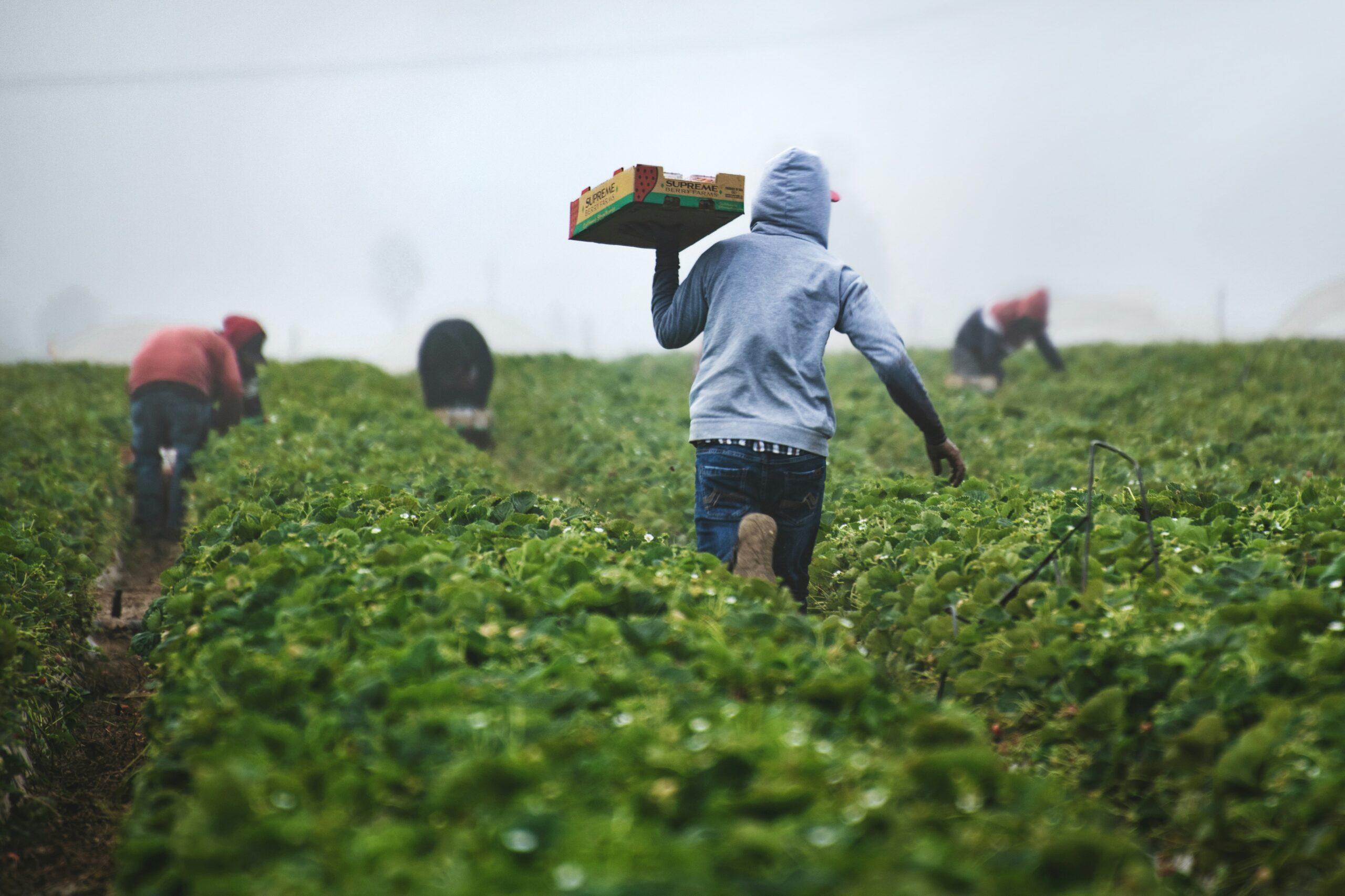
Banana farms in tropical Queensland are known for extreme humidity, heat, mud, insects, and physically repetitive work. Many travelers struggle with the climate more than the actual job itself.
Melon farms can involve bending for hours under direct sun, while fly season in some remote regions becomes mentally exhausting for new arrivals.
This does not mean these jobs are “bad,” but beginners are often shocked by how physically demanding regional Australia can become.
A lot of travelers quit simply because they arrived unprepared.
Many backpackers also underestimate how stressful the first few weeks in Australia can feel without proper planning and realistic expectations.
Best Regions for Farm Work in Australia
The region you choose affects:
- job availability
- accommodation
- weather
- wages
- competition
Queensland
Queensland is one of the most popular regions for backpackers because farm work is available almost year-round.
Common jobs include:
- bananas
- mangoes
- blueberries
- zucchinis
- tomatoes
However, some areas become extremely overcrowded during peak backpacker seasons. Towns like Bundaberg are famous for both opportunities and intense competition.
Many travelers arrive in Bundaberg after seeing social media videos about “easy farm work,” only to discover crowded hostels, long waiting lists, and delayed job opportunities.
Many travelers arrive expecting immediate work and end up spending large amounts of money on accommodation while waiting for jobs.
Understanding the real cost of living in Australia for Working Holiday travelers can help you avoid major financial stress during slow harvest periods.
Finding accommodation during busy harvest seasons can also become surprisingly difficult in smaller regional towns.
Using a reliable accommodation platform before arriving in farm regions can make the first weeks significantly easier and less stressful.
Tasmania
Tasmania is smaller, colder, and more seasonal.
Advantages:
- beautiful nature
- cooler temperatures
- calmer lifestyle
- vineyard work
Disadvantages:
- fewer jobs overall
- stronger seasonal dependency
- transportation difficulties
Tasmania often feels less chaotic than Queensland, but work can be harder to find outside harvest periods.
Western Australia
Western Australia offers:
- higher wages
- remote work
- less competition
But many farms are isolated, and transportation becomes a serious issue if you do not own a car.
Some backpackers choose remote Western Australia specifically to maximize savings and avoid overcrowded East Coast regions.
Typical Work Hours on Farms
Farm schedules vary heavily depending on:
- weather
- season
- crop conditions
Most backpackers work:
- 5–6 days per week
- 6–10 hours daily
Early morning starts are extremely common.
During harvest season, many workers begin before sunrise to avoid extreme afternoon heat. Starting at 4–5 AM becomes normal surprisingly quickly.
Rain can also suddenly cancel shifts, especially in fruit picking. One thing beginners often underestimate is how unstable farm income can become during bad weather weeks.
Most backpackers work as casual employees, meaning they usually receive higher hourly pay instead of benefits like paid vacation or sick leave.
As of 2026, most legal farm jobs pay between AUD 24–30 per hour for casual workers, depending on region, crop type, and experience. Current minimum wage rates can change yearly depending on Australian workplace laws.
Weekend and overtime shifts may also include higher penalty rates.
Some travelers save thousands quickly. Others struggle financially because work hours constantly change.
Creating a realistic monthly Working Holiday budget before arriving in regional Australia can make the entire experience far less stressful.
Many employers also prefer contacting workers through Australian phone numbers instead of international SIM cards.
Setting up a local Australian SIM card early can improve communication with employers and increase your chances of finding work faster.
Hourly Pay vs Piece Rate: Which Is Better?
This is one of the biggest decisions during farm work.
Hourly Pay
Advantages:
- stable income
- less stress
- better for beginners
- easier budgeting
Disadvantages:
- sometimes lower earning ceiling
Piece Rate Pay
You are paid based on:
- buckets
- bins
- kilograms picked
Advantages:
- fast workers can earn more
Disadvantages:
- beginners often earn very little
- income depends on speed and crop quality
- more exhausting physically
Many backpackers arrive thinking piece-rate jobs will make them rich quickly. In reality, inexperienced workers sometimes earn below minimum wage during their first weeks because they cannot pick fast enough.
For most beginners, hourly-paid jobs are safer and less stressful.
What Farm Work Is Actually Like
Farm work in Australia can be rewarding, but it is rarely glamorous.
A typical day may include:
- waking up before sunrise
- standing for hours
- repetitive movements
- dirt, mud, heat, flies, and rain
- physically sore muscles
Hostel life in regional towns can also become exhausting. During peak seasons, overcrowded backpacker hostels sometimes feel chaotic, noisy, and stressful after long workdays.
Some backpacker hostels in farm regions house 6–12 people per room during busy harvest seasons.
At the same time, many travelers also describe farm work as one of the most memorable parts of their WHV experience.
Why?
Because regional work often creates:
- strong friendships
- shared struggles
- travel groups
- unforgettable stories
The experience is usually harder than expected — but often more rewarding too.
Farm work injuries, dehydration, and heat exhaustion are also more common than many beginners expect during physically demanding harvest seasons.
Reliable travel insurance becomes extremely important when working physical jobs in remote Australian regions.
Best Farm Jobs for Saving Money Fast
If your goal is to save money quickly during your Working Holiday Visa, some regional jobs offer far better earning potential than others.
Many experienced backpackers prioritize:
- remote Western Australia jobs
- long harvest shifts
- mining support roles
- large commercial farms
- regional construction work
Remote jobs are often physically demanding and socially isolating, but they can allow travelers to save thousands of dollars in a relatively short time.
Shared accommodation and lower living expenses in regional areas can also help increase savings significantly.
Many travelers use intense regional work periods to build savings before traveling Australia’s East Coast.
How Long Does It Realistically Take to Find Farm Work?
Some backpackers find jobs within days.
Others wait:
- 1–3 weeks
- sometimes longer in overcrowded regions
This is one of the biggest financial traps for new arrivals.
Many travelers arrive in farm towns expecting immediate work because social media makes it look easy. In reality, some regions become saturated with backpackers chasing the same jobs.
Many travelers underestimate how expensive it can become to wait for work in overcrowded farm towns.
Understanding your monthly expenses before arriving in regional Australia can help you avoid financial stress during slower harvest periods.
Applying online before arriving in popular backpacker regions can sometimes reduce waiting times significantly.
Many WHV travelers use backpacker job platforms and regional job boards before arriving to improve their chances of finding work faster.
Common Farm Work Mistakes to Avoid
The most common mistakes include:
- trusting fake 88-day jobs
- arriving without enough savings
- choosing overcrowded regions
- not checking payslips
- accepting illegal wages
- ignoring weather conditions
- underestimating physical exhaustion
Some employers illegally underpay backpackers or fail to provide proper payslips.
If you believe you are being underpaid, you can contact Australia’s Fair Work Ombudsman for free advice and support. Check here
One major mistake is arriving in Australia without completing important setup tasks beforehand.
Many beginners lose valuable time during their first weeks because they still need to organize banking, phone numbers, and payment setup after arriving.
Setting up your essentials before arriving can make the transition into Australian work life much smoother.
What to Pack for Farm Work
Farm conditions can change quickly.
Bring:
- work gloves
- strong boots
- sunscreen
- rain jacket
- reusable water bottle
- lightweight long sleeves
- hat
- insect spray
Good shoes matter more than many beginners expect. Cheap footwear becomes painful very quickly during long shifts.
Preparing properly before arriving in Australia can make regional work significantly easier physically and financially.
Essential Setup for WHV Farm Workers
Most backpackers quickly realize that finding work becomes much easier once the important setup steps are completed properly.
Before starting regional work, many travelers prioritize:
- travel insurance
- Australian SIM setup
- accommodation booking
- regional job platforms
- bank account setup
These small preparations can make your first weeks in Australia far less stressful.
Many WHV travelers organize their insurance, accommodation, and phone setup before arriving to avoid delays during job searching.
Frequently Asked Questions
What is the easiest farm job for beginners in Australia?
Packing sheds, vineyard work, and greenhouse jobs are usually easier for beginners because they are less physically demanding than large-scale fruit picking.
Do all farm jobs count toward the 88 days requirement?
No. Your work must be completed in an approved region and eligible industry to qualify for a second or third Working Holiday Visa.
How much can backpackers earn doing farm work?
Most legal farm jobs pay around AUD 24–30 per hour for casual workers, although piece-rate jobs can vary depending on speed and crop conditions.
Is farm work in Australia difficult?
Many backpackers underestimate how physically demanding farm work can become, especially during extreme heat, repetitive labor, and long harvest shifts.
How long does it take to find farm work?
Some travelers find jobs within days, while others may wait several weeks in overcrowded regions during peak backpacker seasons.
Continue Your Working Holiday Planning
👉 Working Holiday Australia: Complete Guide for 2026
👉 88 Days Australia Working Holiday Explained (2026 Guide)
👉 Cost of Living in Australia for Working Holiday (2026 Breakdown)
👉 Best Jobs for Working Holiday Australia (High Paying 2026)
👉 Bank, SIM Card & Insurance Setup in Australia (2026 Working Holiday Guide)
👉 How to Save Money on a Working Holiday in Australia (2026)
Final Thoughts: Choosing the Right Farm Job Matters
Completing your 88 days is not just about “getting it done.”
The farm job you choose affects:
- your finances
- your stress levels
- your physical health
- your overall Working Holiday experience
Some jobs will push you harder than expected. Others may become some of your best memories in Australia.
The key is understanding what you are signing up for before arriving — and choosing jobs that realistically fit your experience level, goals, and budget.
For complete WHV planning, budgeting, and regional work strategies, visit our Working Holiday Australia: Complete Guide for 2026.
A smart start makes the entire Working Holiday experience easier. 🇦🇺🌾
Ready to start your working holiday in Australia?
You now know what it takes — but having everything in one place makes it much easier.
✅ Step-by-step plan
✅ Job strategies
✅ 88 days simplified
Free • No spam • Unsubscribe anytime