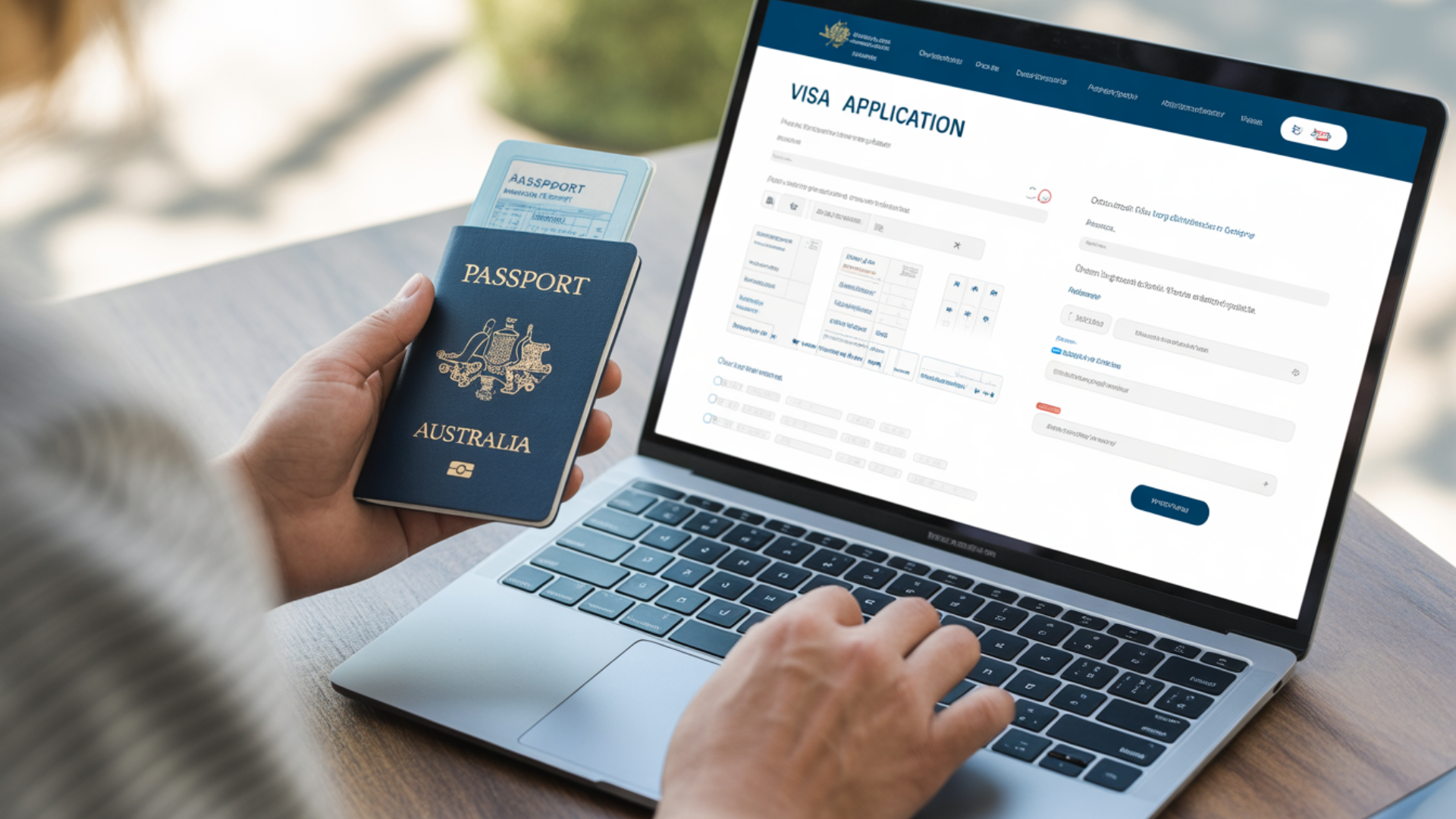
Looking for a complete Working Holiday Visa Australia FAQ?
Planning your move involves more than just booking a flight. From visa conditions and job limits to second-year extensions, savings requirements, and health insurance — knowing the rules can make or break your experience.
This updated 2026 FAQ covers the most frequently asked questions about the Working Holiday Visa in Australia, all in one place
Visa & Application Questions
What is the Working Holiday Visa for Australia?
The Working Holiday Visa allows young people to live, work, and travel in Australia for up to 12 months.
There are two main subclasses:
- Subclass 417
- Subclass 462
Eligibility depends on nationality.
👉For full visa planning, read our complete step-by-step application guide.
How long does visa processing take?
Processing times vary.
Some applicants are approved within days. Others may wait several weeks depending on background checks and documentation.
Apply early and double-check all details before submitting.
Can I apply while inside Australia?
Generally, first-time applicants must apply from outside Australia.
Always confirm your eligibility before submitting.
👉For eligibility requirements, read our full guide to who can apply for a Working Holiday Visa.
How much money do I need to apply?
Immigration recommends at least AUD 5,000 plus return travel funds.
Realistically, arriving with AUD 6,000–8,000 provides a more comfortable start.
For a full breakdown of expected expenses, read our cost of living guide for Working Holiday makers in Australia.
Work & Income Questions
Can I work full-time on a Working Holiday Visa?
Yes. You can work full-time in most industries.
Some visa subclasses have employer time limits, so always verify conditions.
👉For a breakdown of high-paying and beginner-friendly jobs, read our complete guide to the best jobs for Working Holiday makers in Australia.
What is the minimum wage in Australia?
As of 2026, the national minimum wage is approximately AUD 24+ per hour (before penalty rates).
Many industries pay more, especially construction, remote work, and night shifts.
How long does it take to find a job?
Most travelers find work within 1–3 weeks.
Preparation increases your chances:
- Local SIM card
- Australian-style resume
- Bank account setup
👉For a step-by-step setup guide, read our complete bank, SIM, and insurance guide for Working Holiday makers.
Are cash jobs legal?
Usually no.
Cash jobs without payslips can:
- Invalidate 88 days work
- Cause visa extension issues
- Result in underpayment
Always request legal payment and documentation.
88 Days & Visa Extension Questions
What are the 88 days?
The “88 days” refers to three months of specified work in approved industries and regional areas.
Completing this allows you to apply for a second-year visa.
👉For full details, read our complete guide to the 88 days requirement for a second-year Working Holiday Visa.
Does 88 days only mean farm work?
No.
Eligible industries may include:
- Agriculture
- Construction in regional areas
- Mining support
- Certain tourism roles in remote regions
Always confirm postcode and industry eligibility.
Can I complete 88 days with multiple employers?
Yes.
Your days accumulate as long as all work qualifies and is paid legally.
Keep:
- Payslips
- Contracts
- Employer details
How much can I earn during 88 days?
Typical wages:
AUD 22–40 per hour depending on industry.
Living & Budget Questions
Is Australia expensive?
Yes — but wages are high.
Most WHV travelers spend:
AUD 1,700–3,000 per month.
Can I save money during my Working Holiday?
Yes.
Many disciplined travelers save AUD 5,000–15,000 over 12 months.
To build a savings strategy, read our full guide on how to save money while in Australia.
Which city is best for Working Holiday makers?
There is no universal best city.
- Sydney → strong job market, high rent
- Melbourne → hospitality opportunities
- Brisbane → balanced costs
- Perth → strong wages
- Regional areas → lower rent + 88 days access
👉For a full comparison, read our complete guide to the best cities and regions for Working Holiday makers in Australia.
Setup & Essentials Questions
Do I need a bank account in Australia?
Yes.
Employers typically require an Australian bank account to pay wages.
👉For setup steps, read our complete bank and SIM setup guide.
Is health insurance mandatory?
It depends on your nationality and visa subclass.
However, private insurance is strongly recommended, especially for physical jobs.
Medical treatment in Australia can be expensive without coverage.
When should I get a SIM card?
Immediately after arrival.
A local number is essential for job applications and bank verification.
Tax & Financial Questions
Do I need a Tax File Number (TFN)?
Yes.
A TFN ensures you are taxed correctly.
Apply online after arrival — it is free.
Do Working Holiday makers pay tax?
Yes.
WHV holders are taxed under specific tax rates.
Always keep records of income.
Travel & Lifestyle Questions
Can I travel during my visa?
Yes.
You can enter and leave Australia freely while your visa is valid.
Can I study on a Working Holiday Visa?
Yes.
You can study for up to four months.
Can I extend my visa twice?
Yes — if you complete additional specified work requirements.
Common Mistakes to Avoid
Many WHV travelers lose time and money by:
- Arriving without enough savings
- Ignoring visa subclass rules
- Accepting underpaid jobs
- Failing to document 88 days work
- Overspending early
- Skipping insurance
Final Thoughts
A Working Holiday in Australia is one of the most flexible and rewarding visa programs in the world.
But success depends on preparation.
If you are still in the planning stage:
👉For full visa planning, read our application guide.
👉If you want to maximize income, read our complete guide to the best jobs for Working Holiday makers.
👉If you are planning your second year, read our full breakdown of the 88 days requirement.
👉And if you want to build savings instead of stress, read our guide on how to save money during your Working Holiday in Australia.
Preparation turns uncertainty into opportunity.