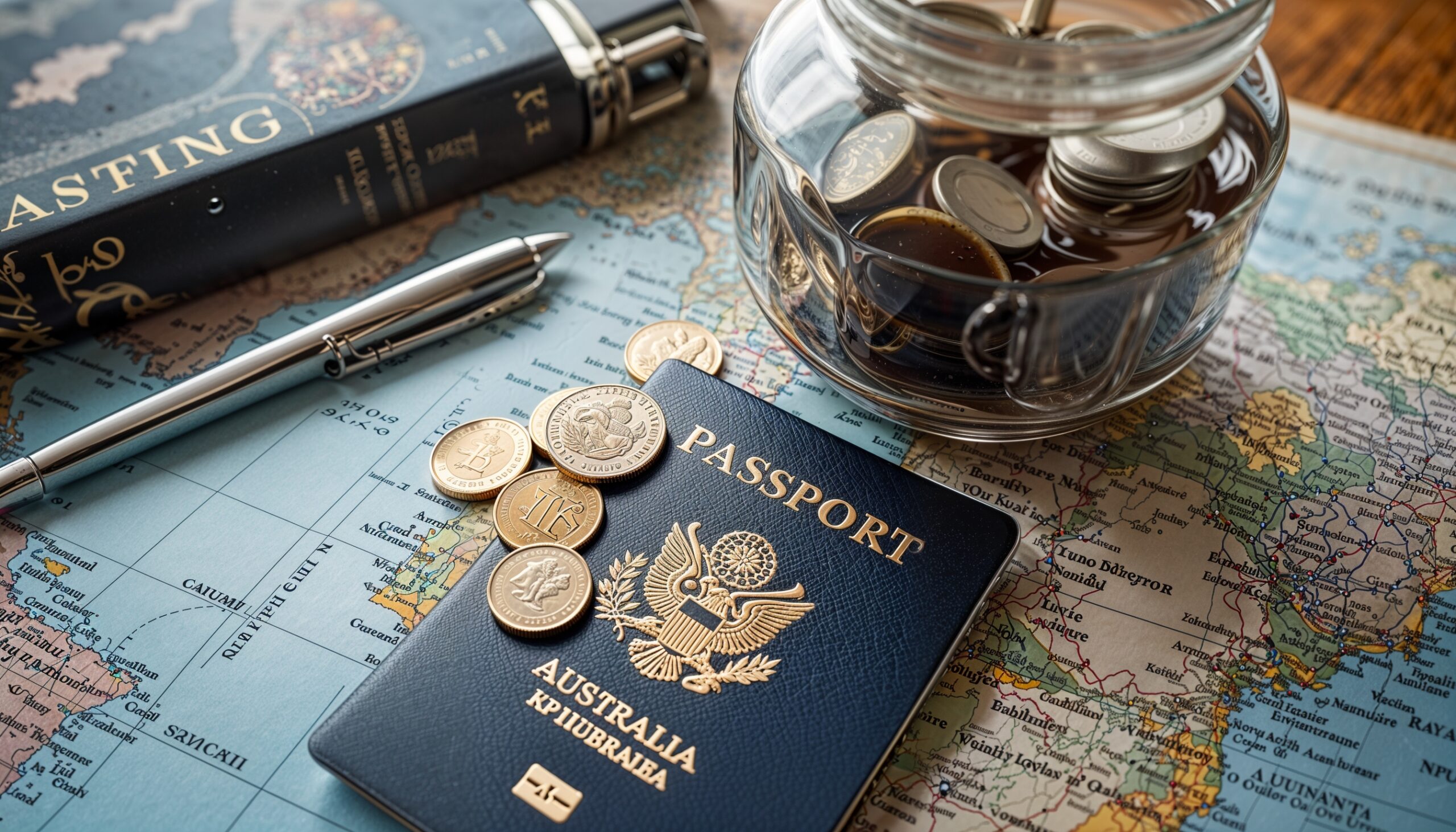
Learning how to save money on a working holiday in Australia can make the difference between running out of savings and finishing your year with money in the bank.
While Australia offers high wages, the cost of rent, food, and transport — particularly in cities like Sydney and Melbourne — can quickly add up. The good news? With a few smart decisions, many Working Holiday makers manage to travel, work, and build savings at the same time.
But here’s what most new arrivals don’t realize:
Many travelers don’t struggle because they earn too little.
They struggle because they spend without a strategy.
With the right approach, it is completely possible to:
- Cover your living costs
- Travel comfortably
- Save money
- Fund a second year
This 2026 guide shows you exactly how to reduce expenses, increase savings, and build financial stability during your Working Holiday.
👉If you’re still planning your move, read our complete Working Holiday visa guide first.
Step 1: Understand Your Income Potential
Australia has one of the highest minimum wages in the world.
As of 2026, the national minimum wage is approximately:
AUD 24+ per hour (before penalty rates).
Full-time workers commonly earn:
AUD 3,500–5,000+ per month
depending on industry and hours worked.
👉If you’re unsure which industries pay best, read our full guide to the highest-paying and easiest jobs for Working Holiday makers in Australia.
Higher wages create the opportunity to save — but only if expenses are controlled.
Step 2: Control Your Biggest Expense — Rent
Accommodation is your largest monthly cost.
Most Working Holiday makers spend:
AUD 800–2,500 per month
on shared housing.
To reduce rent:
- Share rooms instead of renting private studios
- Choose suburbs slightly outside city centers
- Avoid short-term hostel stays for too long
- Inspect properties before paying deposits
Regional areas often offer cheaper rent and fewer daily temptations to spend.
Step 3: Build a Simple Monthly Budget
Saving money requires awareness.
Start by tracking:
- Rent
- Groceries
- Transport
- Phone
- Insurance
- Social spending
Based on realistic estimates, most WHV travelers spend:
AUD 1,700–4,250 per month
depending on city and lifestyle.
For a full breakdown of living expenses, read our detailed cost of living guide for Working Holiday makers in Australia.
Once you know your numbers, set a monthly savings target.
Treat savings as a fixed “expense” — not something optional.
Step 4: Work Stable Hours (Not Random Shifts)
Inconsistent work makes saving difficult.
Instead of chasing multiple short shifts, try to secure:
- Full-time hospitality roles
- Stable warehouse positions
- Construction contracts
- Remote work with accommodation included
The more stable your income, the easier saving becomes.
Step 5: Cook More, Eat Out Less
Australia has amazing cafés and restaurants — but daily takeaway adds up fast.
Example:
AUD 18 lunch x 20 days = AUD 360/month
AUD 5 homemade lunch x 20 days = AUD 100/month
That’s a difference of AUD 260 per month.
Cook in bulk, share groceries with housemates, and use supermarket brands.
Small habits create large savings over 12 months.
Step 6: Reduce Transport Costs
Public transport in major cities costs:
AUD 120–200 per month.
Ways to save:
- Live closer to work
- Use weekly travel caps
- Walk or cycle
- Avoid unnecessary rideshare use
If planning regional work, budget fuel carefully.
👉For guidance on completing regional work strategically, read our complete guide to the 88 days requirement for a second-year Working Holiday Visa.
Planning your regional move carefully prevents financial surprises.
Step 7: Set Up Your Essentials Early
Delays in setting up your essentials can cost money.
Make sure you have:
- A local bank account
- A reliable SIM card
- Active insurance
Without these, you may:
- Miss job calls
- Experience payment delays
- Pay high international transaction fees
👉For step-by-step setup instructions, read our complete guide to setting up your bank account, SIM card, and insurance in Australia.
Setting these up early removes unnecessary financial stress.
Step 8: Avoid Common Financial Mistakes
Many Working Holiday makers lose money due to avoidable errors:
- Arriving with too little savings
- Overspending in the first month
- Accepting underpaid jobs
- Paying deposits without inspections
- Working cash-in-hand without protection
- Ignoring tax obligations
Preventing financial mistakes is easier than recovering from them.
Step 9: Save Automatically
One simple method:
When you get paid, immediately transfer:
10–30%
into a separate savings account.
If you never “see” the money in your spending account, you’re less likely to spend it.
Even saving AUD 500 per month equals:
AUD 6,000 over one year.
That’s enough to fund travel, emergencies, or part of a second year.
Step 10: Balance Saving and Enjoyment
A Working Holiday is not just about saving money.
It’s about:
- Experience
- Growth
- Travel
- New friendships
The goal is balance.
Save consistently — but don’t live in extreme restriction.
Financial control creates freedom, not limitation.
Realistic Saving Scenarios
Scenario 1: City Worker
Income: AUD 4,200/month
Expenses: AUD 2,500
Savings: ~AUD 1,700/month
Scenario 2: Regional Worker
Income: AUD 3,800
Expenses: AUD 1,900
Savings: ~AUD 1,900/month
Scenario 3: Low Hours, High Spending
Income: AUD 2,800
Expenses: AUD 2,700
Savings: Minimal
Income alone doesn’t determine success — strategy does.
Frequently Asked Questions
Can you save money on minimum wage?
Yes. Australia’s minimum wage is high enough to cover basic living costs if budgeting carefully.
Is regional work cheaper?
Usually yes — especially rent and social spending.
How much can I realistically save in one year?
Many disciplined WHV travelers save AUD 5,000–15,000+ over 12 months.
Is Australia more expensive than Europe?
Generally yes — but wages are also significantly higher.
Final Thoughts: Smart Money = Long-Term Freedom
Saving money during your Working Holiday in Australia is not about being extreme.
It’s about:
- Choosing the right job
- Managing rent
- Controlling daily spending
- Avoiding avoidable mistakes
- Setting up your essentials early
👉If you want to increase income, read our full guide to the best-paying jobs in Australia for Working Holiday makers.
👉If you’re planning visa extensions, read our complete guide to the 88 days requirement for a second-year visa.
👉If you’re still in the planning phase, start with our step-by-step Working Holiday visa application guide.
A Working Holiday can either drain your savings — or build them.
The difference is planning. You can find all the information on there offical goverment website.